
This content has been generated using AI analysis. While we strive to ensure accuracy and quality, AI-generated material may occasionally contain errors or omissions. All information should be independently verified, and opinions expressed do not necessarily reflect those of the publishers or editors.
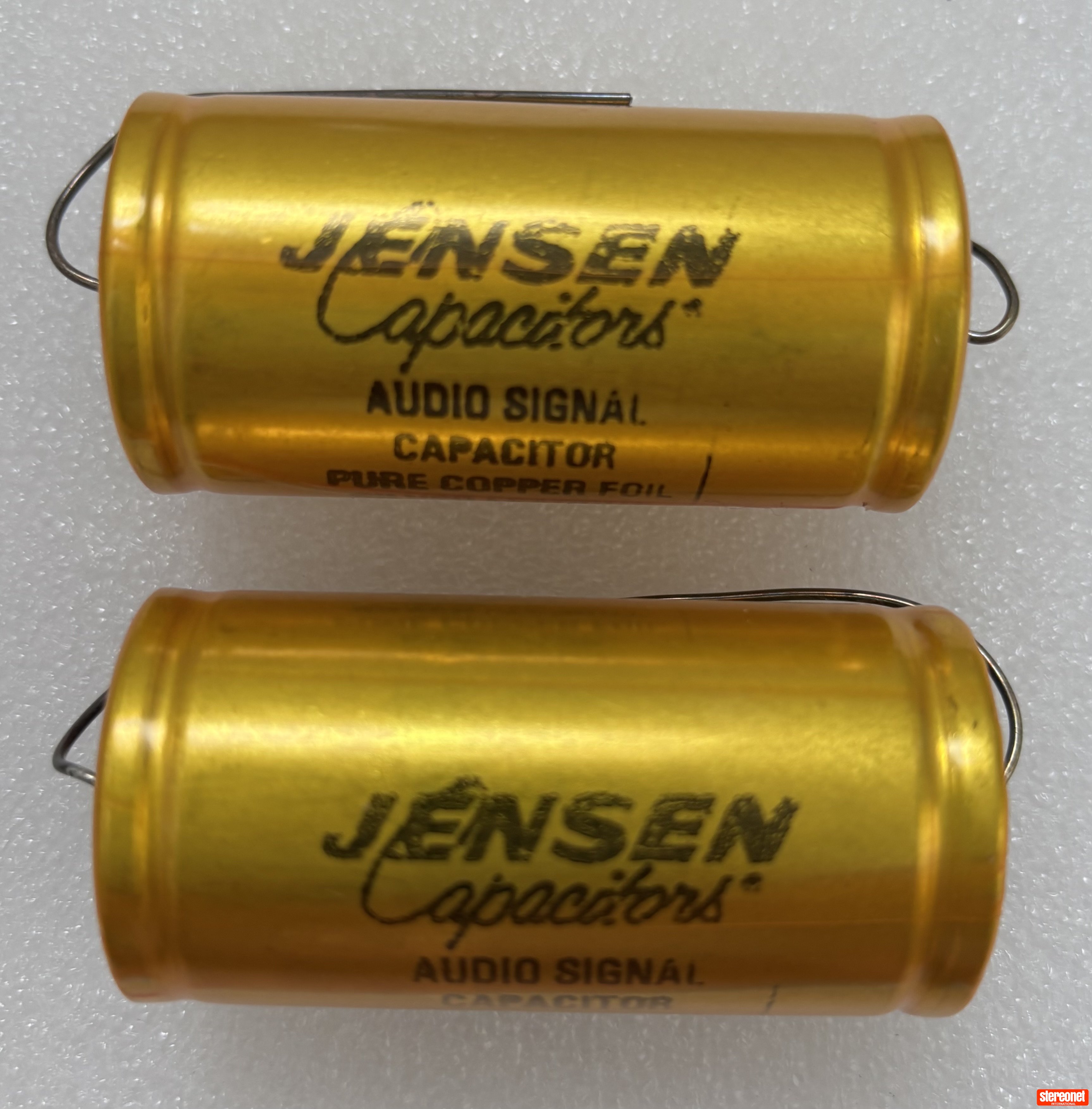
Jensen Paper In Oil Capacitors (including 2.2 uF 630V variants like 0.22 uF models) earn strong praise from audiophiles, amp builders, and guitar technicians for their natural, realistic sound, though some note a darker tone and mixed reliability in older units.
### Sound Quality
Users consistently describe these capacitors as delivering a natural and realistic presentation of music, with a smooth, organic tone preferred over polypropylene alternatives, which sound synthetic and flat. They set a high standard for signal paths in amps and guitars, offering richness and enticing tone, though some find them "dark" with less extended highs compared to options like Duelund or HT Jupiter. In guitar circuits, they provide premium audiophile tone and are favored for mimicking vintage sounds.
### Build Quality
Constructed with oxygen-free copper foil, paper-in-oil dielectric, and solid silver lead wires in an aluminum case (sometimes ceramic or paper tube), they are handmade in Denmark and hailed as among the best signal capacitors available. The robust design includes hermetic sealing, though similar PIO caps can feel heavy or show oil movement when shaken.
### Reliability
Newer models are viewed positively for long-term stability, but older aluminum-can versions raise concerns—one user reported a failure after years in a power amp, with techs recommending modern replacements. No widespread failure reports appear, and they are non-polarized/non-directional for versatile use.
### Strengths
- Exceptional for balance, control, richness, and musical flow in audio and guitar applications.
- Preferred over aluminum foil PIO or film caps by builders worldwide.
- Wide soundstage after burn-in (noted in similar PIO).
### Weaknesses
- Can sound dark or thin initially, lacking high-frequency extension for some.
- Higher cost and potential reliability issues in aged units.
- Not always the "best" in blind tests against modern alternatives like Orange Drops (per guitar myth-busting).
### Overall Reputation
These capacitors enjoy an elite reputation as top-tier PIO options for tone circuits and signal paths, with enthusiasts calling them personal favorites despite alternatives. Community consensus favors them for organic sound over synthetic rivals, though preferences vary by system and comparisons.



 English (US)